Wisdom For Your Dome
Ashwagandha vs. CBD for Sleep: Which Stress-Buster Actually Works?
Reviewed by Dr. Pegah Panahi, MD — 25+ years in holistic and cannabinoid medicine.
Somewhere around the third TikTok in a row telling you to eat a spoonful of "adaptogenic" powder before bed, you probably asked yourself: is this actually a thing, or is it turmeric latte energy all over again? Fair question. And since half our inbox this month has been "ashwagandha vs CBD for sleep, which one do I actually buy," we're settling it. No vague wellness-speak, no pretending one root fixes your entire nervous system. Just what each one is, what it's reputed to do, and where they're different enough that a lot of people end up using both.
Quick answer: Ashwagandha is an adaptogenic herb long used in Ayurvedic practice that some research associates with the body's stress response, typically taken daily for weeks before its effects build up. CBD is a hemp-derived compound many people use closer to bedtime for its calming reputation, often felt within 30–90 minutes. They aren't competing for the same job — ashwagandha is a slow-build daytime stress tool, while CBD is more of a same-night wind-down tool — which is why a lot of people stack them instead of picking a side.
TL;DR: The Short Version
- Ashwagandha is a root-based adaptogen studied mainly for how it may support the body's response to everyday stress; it's not a sleep aid in the traditional sense.
- CBD, especially full-spectrum CBD with CBN and CBG, has a calming reputation that many people find useful specifically for winding the brain down at night.
- In the ashwagandha vs. CBD for sleep debate, timing is the real difference: ashwagandha is a slow-build, take-it-daily supplement, while CBD is designed to be felt the same evening.
- Neither one is a sedative. Think volume knob on a noisy brain, not a light switch.
- Many people run both as a stack — ashwagandha in the morning for the day's stress load, a full-spectrum CBD gummy like Doze Drops at night for the actual wind-down.
- Check with a doctor before starting ashwagandha if you're pregnant, nursing, on thyroid medication, or taking sedatives or immunosuppressants — it isn't harmless just because it's a plant.
What Is Ashwagandha?
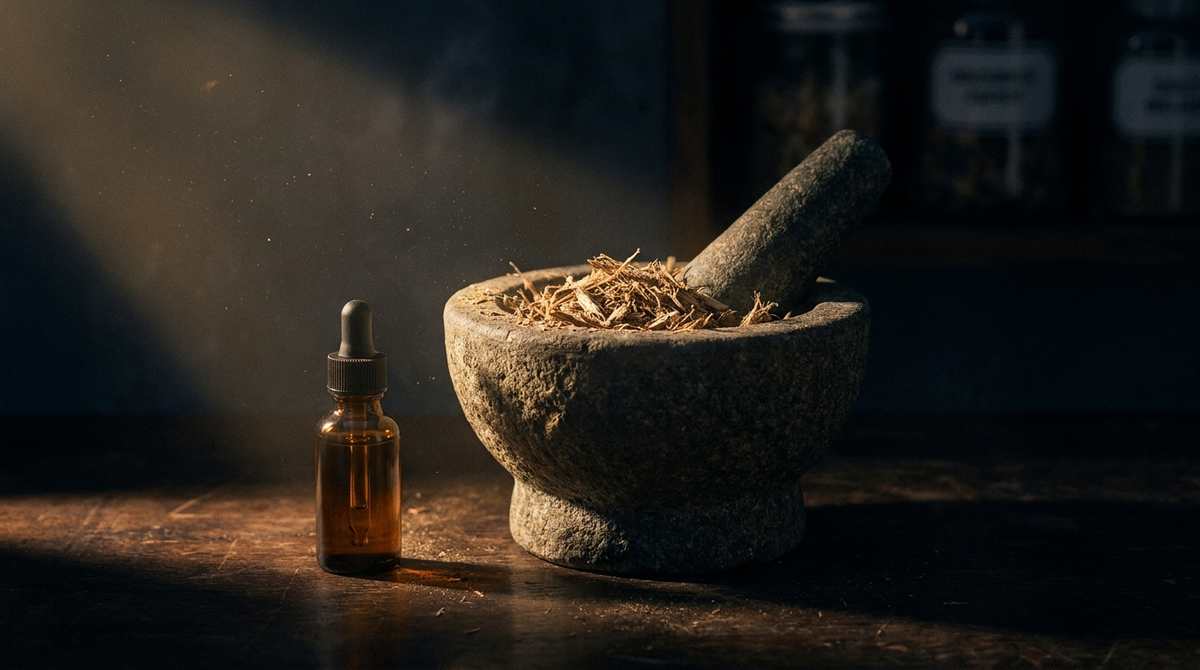
Ashwagandha (Withania somnifera) is a root traditionally used in Ayurvedic practice, classified as an "adaptogen" — a category of plants believed to help the body adapt to stress rather than target one specific symptom. It's not a sedative and it's not a supplement you take once and feel immediately; it's more like a gym membership for your stress response than a painkiller. Some research suggests consistent daily use may help support how the body handles everyday stress, which is where its tangential relationship to sleep comes in: people who feel less wound up during the day often report falling asleep more easily at night, even though ashwagandha itself isn't marketed or studied as a direct sleep aid.
Gas-station wellness brands love slapping "ashwagandha" on everything from gummy bears to seltzer, which has muddied what it actually does. The honest version: it's a slow-build stress-support herb, most commonly taken as a capsule or powder, usually once or twice a day, and it typically takes several weeks of consistent use before people notice a difference — nothing like the fast, felt effects of a nightly gummy.
Why Does CBD Get Compared to Ashwagandha for Sleep?
CBD gets compared to ashwagandha because both occupy the same shelf in people's heads: "natural, not melatonin, not a prescription sleeping pill." That's basically where the similarity ends. CBD is a compound derived from the hemp plant, and full-spectrum versions — like the kind in Doze Drops — also bring along CBN and CBG, two other cannabinoids with their own calming reputations. Where ashwagandha works on a slow, cumulative timeline, CBD is designed to be felt the same night, which is why people reach for it specifically at bedtime rather than as a daily wellness ritual sipped with breakfast.
Neither compound should be described as a sedative — that's not an accurate or compliant way to talk about either one, and honestly it oversells what a supportive supplement can do. What both are reputed to do is take the edge off a brain that won't stop narrating your day back to you at 11pm.
Ashwagandha vs. CBD for Sleep: What's Actually Different?
Here's the side-by-side, stripped of the marketing fluff:
- Timeline: Ashwagandha builds over 4–8 weeks of daily use. CBD is designed to be felt the same evening, often within an hour or two.
- Target: Ashwagandha is reputed to support the body's response to ongoing, daytime stress. CBD (paired with CBN and CBG in a full-spectrum formula) is aimed at the specific moment your brain refuses to power down at bedtime.
- Format expectations: Ashwagandha is almost always a capsule or powder taken with food. CBD sleep products, like gummies, are built to be taken 30–60 minutes before bed, on a stomach that isn't fighting a full meal.
- Legality and drug testing: Ashwagandha carries no THC-related testing concerns. Full-spectrum CBD products legally contain up to 0.3% THC — trace amounts, but worth knowing if you're subject to drug screening.
- Habit-forming potential: Neither is considered habit-forming when used as directed, which is part of why both show up so often in the "better than melatonin" conversation.
If you want the short version: ashwagandha is playing the long game with your baseline stress levels, and CBD is showing up for one specific job at one specific time of night. They're not really rivals — they're just frequently lumped together because they both got popular around the same time "I don't want to take melatonin every night" became a real sentence people say.
Can You Take Ashwagandha and CBD Together?
Many people do combine ashwagandha and CBD, using ashwagandha as a daily supplement and CBD (or a full-spectrum gummy like Doze Drops) specifically at bedtime, and no major interaction between the two is currently documented. That said, "no known interaction" isn't the same as "guaranteed fine for everyone" — if you're on prescription medication of any kind, thyroid treatment in particular, or you're pregnant or nursing, loop in your doctor before adding either one, let alone both. This is especially true for ashwagandha, which can interact with thyroid hormone levels, sedatives, and immunosuppressant medications in ways that are easy to miss if you're just going off an influencer's morning routine video.
Skip the Guesswork: Doze Drops
If the "which supplement do I even buy" fatigue is real, here's the short version: Doze Drops is 50mg full-spectrum CBD + 20mg CBN + 20mg CBG per serving, zero sugar, doctor formulated, and designed to help you wind down without the melatonin hangover. Non-habit-forming, $29.99, backed by a 30-day guarantee. Ashwagandha can be your daytime stress project — this is the part that's actually built for bedtime.
Who Should Be Careful With Ashwagandha?
"Natural" doesn't mean "risk-free for everyone," and ashwagandha is a good reminder of that. It's generally been studied in healthy adults over relatively short trial periods, so long-term data is thinner than people assume. Talk to a healthcare provider before starting ashwagandha if you're pregnant or nursing, have a thyroid condition or take thyroid medication, have an autoimmune condition, or take sedatives, thyroid hormone replacements, or immunosuppressant drugs. The same "ask your doctor first" advice applies to CBD if you're pregnant, nursing, managing a medical condition, or taking other medications — full-spectrum CBD in particular can interact with certain prescriptions.
Which One Should You Actually Try First?
If your problem is a wired, racing brain specifically at bedtime — the 11pm inventory of everything you said wrong in a meeting six months ago — that's the use case CBD's calming reputation was built around, and it's designed to be felt the same night. If your problem is a baseline hum of stress that follows you around all day and just happens to also wreck your sleep, ashwagandha's slow-build, daily-supplement approach is the better fit, with the understanding that you won't feel it working for several weeks. A lot of people, understandably, stop trying to choose and run both: ashwagandha with breakfast, a full-spectrum CBD gummy before bed. Neither is a substitute for actual sleep hygiene — a consistent bedtime, a dark room, and putting the phone down — but both are reasonable, non-melatonin tools to have in the rotation.
For more on how the individual cannabinoids stack up, see our breakdowns of CBN vs. CBD for sleep and magnesium vs. CBD for sleep, and if stress itself is the root of your sleep problem, our guide to cortisol and sleep goes deeper on why a wound-up nervous system keeps you up in the first place.
Frequently Asked Questions
What is ashwagandha vs CBD for sleep?
Ashwagandha vs CBD for sleep refers to the comparison between two non-melatonin supplements: ashwagandha, a slow-build adaptogenic herb some research links to daytime stress support, and CBD, a hemp-derived compound with a same-night calming reputation. They work on different timelines and are often used together rather than as competing alternatives.
Can you take ashwagandha and CBD together?
Yes, many people take ashwagandha daily for general stress support and use CBD specifically at bedtime, and no major interaction between the two is currently documented. Anyone on prescription medication, managing a thyroid condition, or who is pregnant or nursing should check with a doctor first.
Does ashwagandha make you tired the next day?
Ashwagandha is not designed to produce next-day grogginess since it isn't a sedative and doesn't work by knocking you out at night — its reputed effects build gradually with consistent daily use rather than acting as an overnight dose.
Is it safe to take ashwagandha every night?
Ashwagandha is generally taken daily rather than only at night, and most available research covers relatively short usage periods, so long-term nightly use hasn't been studied as extensively as people assume. It's best to check with a healthcare provider before committing to daily long-term use, especially if you take other medications.
These statements have not been evaluated by the Food and Drug Administration (FDA). This product is not intended to diagnose, treat, cure, or prevent any disease. The information provided is for educational purposes only and is not medical advice. Always consult a healthcare professional before starting any new supplement, especially if you are pregnant, nursing, have a medical condition, or take medications. Results may vary. Everwell does not make any health claims regarding its CBD products.