
Wisdom For Your Dome
Tired After 8 Hours of Sleep? Why a Full Night Can Still Leave You Wrecked
Reviewed by Dr. Pegah Panahi, MD — 25+ years in holistic and cannabinoid medicine.
You did everything right. In bed by 11, up at 7. Eight glorious hours, exactly like every wellness influencer and their grandmother told you. And yet you're standing in the kitchen at 7:15 feeling like you got hit by a bus that then reversed to check on you.
If you're constantly tired after 8 hours of sleep, your body isn't broken and you're not lazy. You're just measuring the wrong thing. Hours in bed is the vanity metric of sleep. What actually matters is what happened during those hours — and for a lot of people, the answer is "not much."
Quick answer: Feeling tired after 8 hours of sleep usually means the problem is sleep quality, not sleep quantity. Fragmented sleep, alcohol, late caffeine, elevated stress hormones, a hot or bright bedroom, and an inconsistent schedule can all keep the body from spending enough time in deep and REM sleep — so you log a full night but wake unrefreshed. Improving sleep continuity and depth, not adding more hours, is typically the fix.
The short version
- Sleep quantity and sleep quality are different things. Eight fragmented, shallow hours can leave you feeling worse than six solid ones.
- The usual suspects: alcohol, caffeine after noon, stress hormones, doom-scrolling, a hot bedroom, and a sleep schedule that changes daily.
- Deep sleep and REM do the actual restoration. If you're not getting enough of either, the hour count is meaningless.
- Persistent exhaustion despite good habits deserves a doctor's visit — conditions like sleep apnea are common and very underdiagnosed.
- Fix the inputs: consistent schedule, cool dark room, earlier caffeine cutoff, a real wind-down — and if your brain won't shut up, a melatonin-free option like Doze Drops may support the routine.
Why am I still tired after 8 hours of sleep?
Being tired after 8 hours of sleep happens because time in bed is not the same as restorative sleep — your brain has to cycle through light sleep, deep (slow-wave) sleep, and REM sleep multiple times a night, and anything that cuts those cycles short leaves you unrefreshed no matter how long you were horizontal. Sleep researchers call the refreshed-or-not outcome "sleep quality," and it depends on continuity (how unbroken your sleep is) and architecture (how much time you spend in each stage).
Here's the ugly math: you can technically "sleep" for eight hours while surfacing dozens of times — micro-awakenings so brief you don't remember them. Each one yanks you out of the deeper stages and forces your brain to start climbing back down. Log enough of them and you've spent the night doing the sleep equivalent of restarting a download at 90%.
What wrecks sleep quality while you're unconscious?
Alcohol: the fake friend
A drink or two knocks you out faster, then spends the second half of the night dismantling your REM sleep and waking you up as it wears off. It's the classic reason people sleep "a full night" and wake up feeling embalmed. We wrote a whole takedown of this in why the nightcap is a scam.
Caffeine you forgot about
Caffeine has a half-life of roughly five to six hours, which means your 3PM cold brew is still working a shift in your bloodstream at 9PM. It doesn't always stop you falling asleep — it quietly shallows out your deep sleep instead. The full breakdown is in our post on caffeine's half-life.
Stress hormones on the night shift
Cortisol is supposed to be low at night and rise toward morning. Chronic stress flips that curve, so your body runs its "be alert" chemistry while you're trying to be unconscious. The result: lighter sleep, more awakenings, and that famous 3AM ceiling-staring session — which we dissected in why you wake up at 3AM.
Your bedroom is working against you
A hot room, a streetlight through cheap curtains, a partner who sleeps like a rotisserie chicken — all of it fragments sleep without fully waking you. Your brain registers every disturbance even when you don't.
A schedule with no spine
Bed at 10 on Tuesday, 1AM on Friday, noon wake-up on Sunday. Your circadian rhythm reads that as permanent jet lag and stops committing to deep sleep at any particular hour. Consistency is boring. It is also the single cheapest sleep upgrade that exists.
Could it be something medical?
Sometimes, yes. Obstructive sleep apnea — where breathing repeatedly stops and restarts during the night — is one of the most common causes of waking up exhausted after a full night in bed, and most people who have it don't know. Loud snoring, gasping awake, morning headaches, and heavy daytime sleepiness are classic flags. Thyroid issues, low iron, and certain medications can also drain you regardless of sleep. If you've cleaned up your sleep habits and still feel flattened every morning, that's not a supplement problem — that's a "talk to an actual doctor" problem, and you should.
How do you actually fix unrefreshing sleep?
- Pick one wake-up time and defend it seven days a week. Your bedtime will fall in line within a couple of weeks.
- Cut caffeine by noon. Yes, even the "it doesn't affect me" people. Especially them.
- Move alcohol away from bedtime — or skip it on nights you actually need to function the next day.
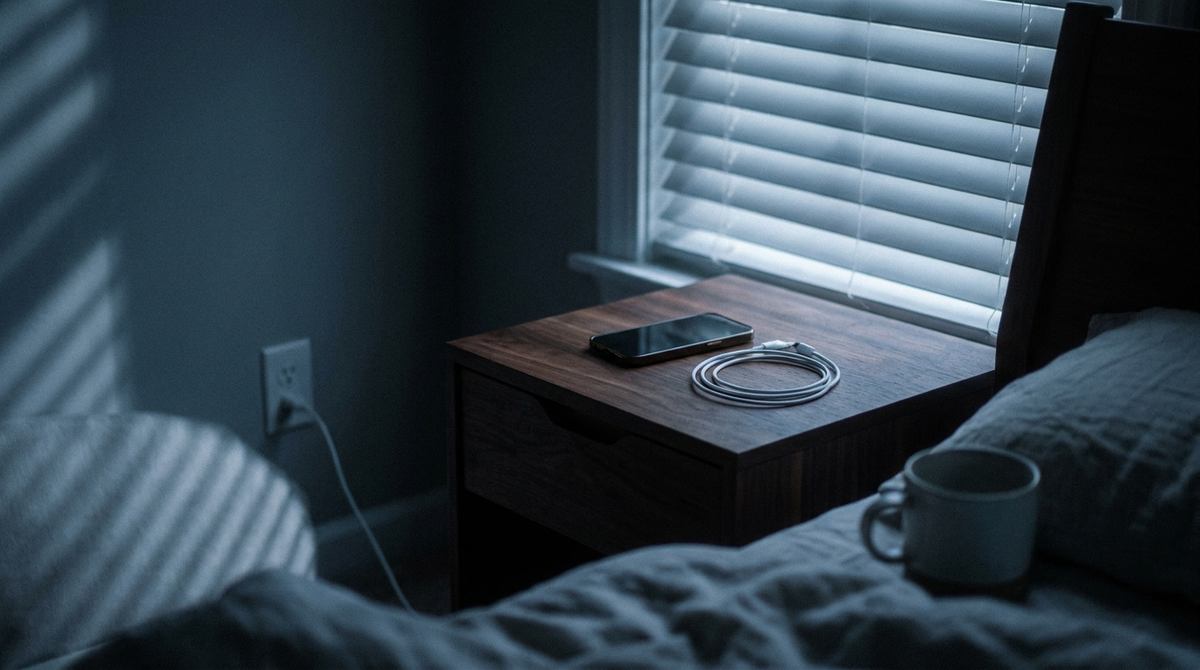
- Make the room cold, dark, and boring. 65–68°F, blackout curtains, phone charging in another room where it can't hurt you.
- Give your brain an off-ramp. Thirty minutes of dim light and no screens before bed beats any hack on this list.
- Support the wind-down. Many people find cannabinoids like CBD, CBN, and CBG help them settle into the routine without the groggy morning that melatonin is famous for. If you want the deep-dive, read our complete guide to using CBD for deep sleep.
Eight hours should feel like eight hours
Doze Drops are doctor-formulated sleep gummies built for sleep quality, not just knockout: 50mg full-spectrum CBD + 20mg CBN + 20mg CBG per serving. Zero sugar, zero melatonin, non-habit-forming — designed to help you wind down so the night can do its job. $29.99, backed by a 30-day money-back guarantee.
Frequently asked questions
Why am I tired after 8 hours of sleep?
Being tired after 8 hours of sleep usually means the sleep was low quality — fragmented or shallow — rather than too short. Common causes include alcohol, late caffeine, chronic stress, an uncomfortable bedroom, an irregular schedule, and undiagnosed conditions like sleep apnea. Fixing sleep continuity and depth matters more than adding extra hours.
Is 8 hours of sleep always enough?
Most adults need roughly 7–9 hours of sleep, but the number only counts if the sleep is continuous and cycles normally through deep and REM stages. Eight fragmented hours can be less restorative than seven solid ones, which is why some people sleep "enough" and still wake up exhausted.
How can I improve sleep quality without sleeping longer?
The highest-impact steps are keeping the same wake-up time every day, stopping caffeine by around noon, limiting alcohol near bedtime, keeping the bedroom cool and dark, and doing a screen-free wind-down before bed. Many people also find non-melatonin supplements such as CBD and CBN gummies help support a calmer pre-sleep routine.
When should I see a doctor about waking up tired?
See a doctor if you consistently wake up exhausted despite good sleep habits, or if you snore loudly, gasp awake, get morning headaches, or fight heavy daytime sleepiness. These can be signs of sleep apnea or other medical conditions that a healthcare professional can diagnose and manage.
These statements have not been evaluated by the Food and Drug Administration (FDA). This product is not intended to diagnose, treat, cure, or prevent any disease. The information provided is for educational purposes only and is not medical advice. Always consult a healthcare professional before starting any new supplement, especially if you are pregnant, nursing, have a medical condition, or take medications. Results may vary. Everwell does not make any health claims regarding its CBD products.